
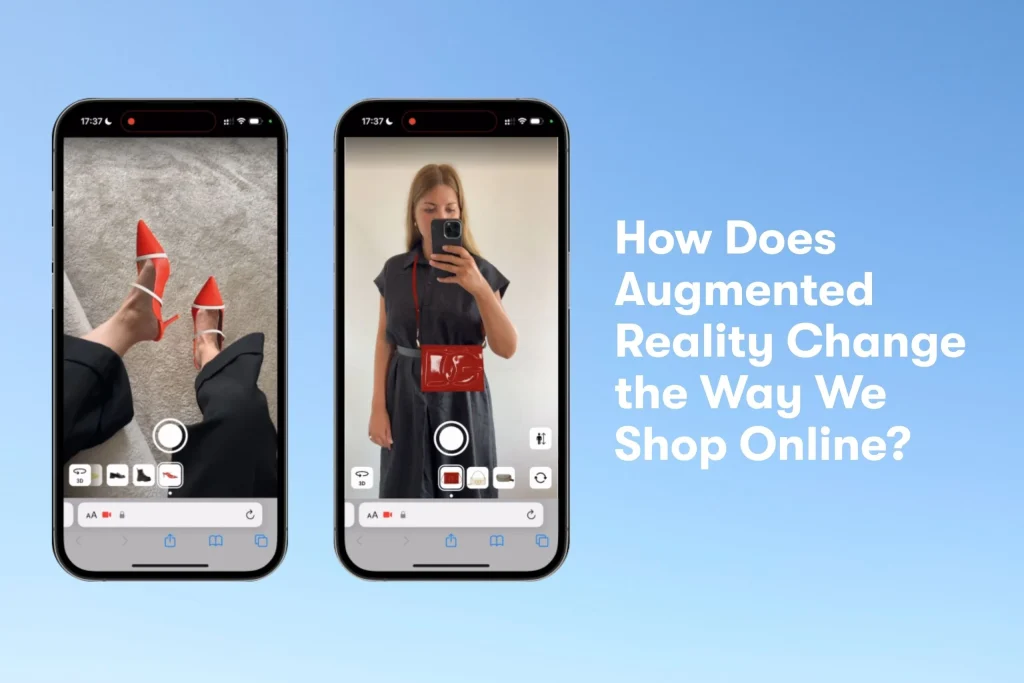
Have you ever imagined trying on sunglasses or testing a pair of sneakers while sitting at home, just by using your phone’s camera? This isn’t science fiction, but a new reality powered by Augmented Reality (AR).
As e-commerce continues to thrive, shoppers are looking for more realistic and interactive experiences, and AR has become the perfect tool to deliver that.
In this article, we’ll explore the role of AR in online shopping, its key benefits and challenges, real-world examples from major brands like IKEA, Sephora, and Nike, plus statistics showing how AR is reshaping the digital commerce landscape.
What is Augmented Reality?
Simply put, Augmented Reality blends digital elements with the real world using cameras and smart devices. Instead of just viewing a static image of a product, you can see how it looks in your home, or even on yourself.
For example:
- IKEA Place lets you preview a sofa in your living room.
- Sephora Virtual Artist allows you to try lipstick shades virtually.
- Ray-Ban’s online store enables you to try on sunglasses using your webcam.
According to Statista, the global AR and VR market is expected to exceed $300 billion by 2028, highlighting its widespread adoption, including in e-commerce.

Why Do Shoppers Love AR in E-commerce?
- Realistic Pre-Purchase Experience
Instead of imagining how a product might look, customers can see it in their daily life. According to Think with Google, more than 60% of consumers prefer stores that offer AR tools because it boosts their confidence. - Reduced Return Rates
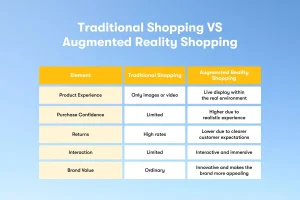
Returns are a major challenge for online stores. With AR, customers get a more accurate sense of the product before buying, reducing post-delivery surprises. A Shopify study found that products showcased with AR increase sales by 94% compared to regular product displays. - Increased Brand Trust
When customers see that a brand invests in AR, they view it as innovative and customer-focused—leading to stronger loyalty and more repeat purchases.
Key AR Applications in Online Shopping
- Product Visualization in Real Environments
- Furniture & Decor: IKEA Place lets users see how items fit into their home.
- Appliances: Some online retailers show how fridges or TVs look in your kitchen or living room.
- Virtual Try-On for Fashion & Beauty
- Interactive Marketing Campaigns
AR isn’t just for products—it’s also used in creative advertising. For instance, Pepsi Max’s AR bus shelter campaign in London wowed passersby by blending reality with fantasy visuals.
Benefits for Businesses
- Boosted Sales: According to a Snap Inc. & Deloitte study, 75% of consumers expect to use AR while shopping, and brands offering AR see higher conversion rates.
- Reduced Returns: AR can lower returns by up to 40%.
- Competitive Differentiation: Offering unique AR shopping experiences positions a brand as an industry leader.
Challenges Facing AR in Shopping
- High Development Costs: Creating high-quality AR experiences can require major investment.
- Device Requirements: Not all consumers own AR-capable smartphones or have fast internet.
- User Experience: If the AR journey is slow or clunky, it can backfire.
Data Privacy: Like all camera-based tech, AR raises concerns around privacy and security.
Inspiring Examples from Major Brands
- IKEA: Its AR Place app is one of the most successful examples of furniture visualization.
- Sephora: Millions of customers have tested cosmetics virtually with Virtual Artist.
- Nike: Nike Fit helps customers find accurate shoe sizes.
- L’Oréal: Acquired AR startup Modiface to develop digital beauty try-on tools.
The Future of AR Shopping
The future looks bright. AR is expected to merge with Artificial Intelligence (AI) to offer even more personalized recommendations. Imagine seeing products on your body or in your home, with automatic suggestions tailored to your taste.
According to PwC, AR could add $1.5 trillion to the global economy by 2030, with e-commerce among the biggest beneficiaries.
Practical Tips for Online Stores
- Start small, add 3D product visualization before full AR.
- Keep experiences fast and mobile-friendly.
- Link AR to social media marketing to boost engagement.
- Invest in data protection to build trust.
- Stay updated with new tools to remain competitive.
Conclusion
AR is no longer a luxury—it’s a powerful competitive edge. It transforms online shopping from static browsing into an immersive, interactive experience that boosts customer trust and drives sales.
Yes, challenges exist, but the benefits outweigh them significantly. Businesses that embrace AR early will lead the race in digital commerce.
Ready to take your e-commerce to the next level? Partner with Bowaba and let us help you create campaigns that drive sales and customer loyalty.