
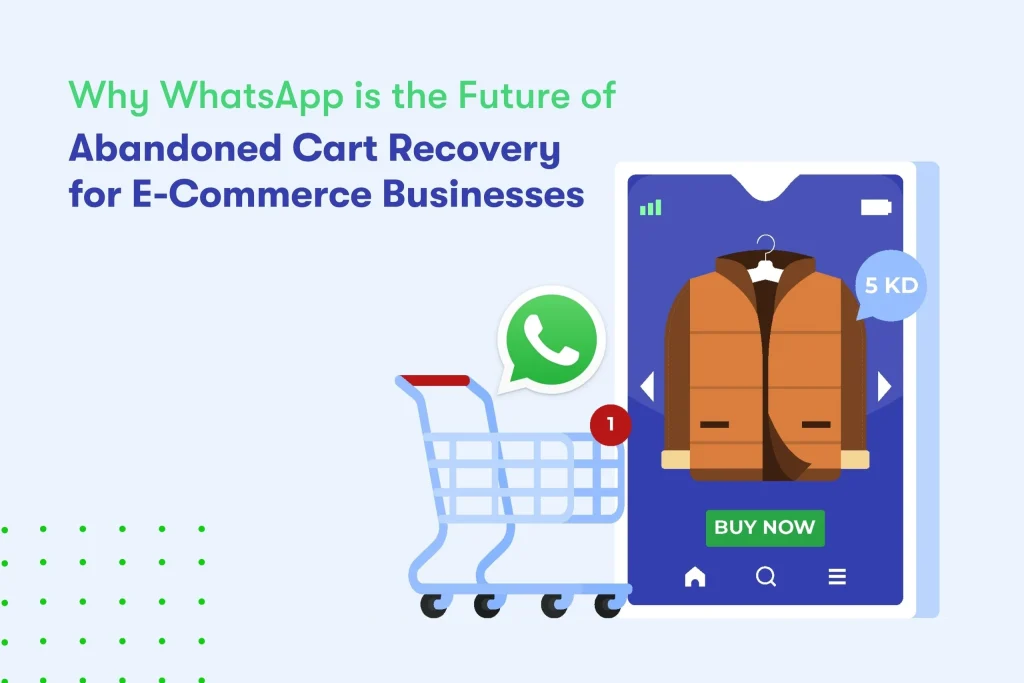
Let’s be honest—shopping online isn’t always as seamless as we’d like it to be. We all know the frustration of adding a bunch of cool items to our cart, getting distracted, and then… forgetting about it. But what if brands could jump in, just when you’re about to abandon that cart, and say, “Hey, we’ve got your back!”? Enter WhatsApp.
WhatsApp isn’t just for chatting with friends; it’s quickly becoming the go-to platform for businesses that want to connect with customers in a more personal, human way. Whether it’s recovering abandoned carts, offering real-time support, or even sending exclusive deals, WhatsApp is changing the e-commerce game. In this post, we’ll dive into some smart, creative ways to use WhatsApp that you might not have thought of—and how it can help your business not just survive, but thrive in the competitive e-commerce world.
Let’s explore how WhatsApp isn’t just a messaging app anymore—it’s your new secret weapon for better engagement, higher sales, and more loyal customers.
1. Using WhatsApp to Strengthen Post-Purchase Engagement
While many e-commerce businesses focus on driving conversions, customer retention is often overlooked. According to Baymard Institute, about 69.99% of online shopping carts are abandoned. What if you could use WhatsApp to keep the conversation going after a customer has made a purchase? The post-purchase phase is an untapped opportunity for e-commerce brands to build long-term relationships with customers, boost repeat sales, and increase customer satisfaction.
Tip: Create a Post-Purchase Concierge Service
Instead of relying on generic order confirmation emails, consider using WhatsApp as a personal concierge service to guide customers through the post-purchase experience. Send a WhatsApp message shortly after the purchase thanking them for their order and offering additional resources, like product care instructions, styling tips, or complementary product suggestions.
For example, if someone buys a jacket from your store, a follow-up WhatsApp message could include styling advice, links to matching accessories, or even a special discount on future purchases.
Why It Works:
- Personalizing post-purchase communication makes customers feel valued and enhances their overall experience.
- A simple follow-up message can prevent customer churn by keeping your brand top of mind.
For businesses with a more complex product or B2B offerings, integrating WhatsApp for customer support can extend the personalized, real-time engagement even further. If you want to explore how to use WhatsApp for seamless B2B support, check out our guide on WhatsApp for B2B Customer Support
2. WhatsApp for Real-Time Inventory Updates and Restock Alerts
If you sell products with limited stock or seasonal items, inventory management can be a pain point. But what if you could use WhatsApp to notify customers instantly when an out-of-stock item is back in stock or when there’s a flash sale?
Tip: Build a Real-Time Restock Alert System
Instead of waiting for a customer to stumble upon a “back in stock” message on your website, proactively offer WhatsApp notifications. Shopify reports that 40% of buyers are more likely to act on limited-time offers if alerted through WhatsApp. Allow customers to sign up for real-time alerts when an item they’re interested in becomes available again. This creates a sense of urgency and exclusivity—two key drivers of sales.
Why It Works:
- Customers are more likely to complete their purchases if they receive immediate, real-time notifications about product availability.
- Personalizing stock alerts via WhatsApp makes the message feel tailored and exclusive.
Example: Uniqlo and Nike both use WhatsApp to send inventory updates for popular items, turning stock-outs into opportunities for re-engagement.
3. Use WhatsApp to Enable Seamless Payment and Checkout Integration
A seamless checkout process is crucial to reducing cart abandonment and improving conversion rates. WhatsApp can play a central role in making the payment process quicker and easier, allowing customers to make purchases directly through the app.
Tip: Leverage WhatsApp Payment Links for Instant Transactions
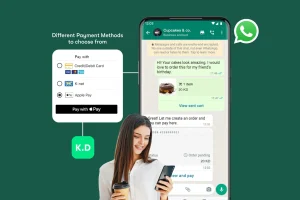
WhatsApp now supports payment integration in several countries, allowing businesses to send secure payment links directly to customers. You can integrate this feature to send a personalized message with a payment link after the customer has shown interest in a product or abandoned their cart. Instead of bouncing back to the website, the customer can complete their transaction directly from within the chat.
Why It Works:
- By removing extra steps (like redirecting customers to your website), you reduce friction and increase the likelihood of a successful purchase.
- WhatsApp Pay has been proven to boost impulse buys, as customers are more inclined to make quick decisions when the payment process is frictionless.
According to recent data, businesses that offer instant payment options on platforms like WhatsApp see a 20-30% increase in conversion rates.
4. Conversational Commerce: Moving Beyond Automated Replies
While automated bots are great for streamlining customer interactions, true conversational commerce goes beyond simply responding to queries. It’s about creating authentic, human-like conversations that drive engagement and ultimately sales.
Tip: Integrate a Human-Led, AI-Powered Hybrid Approach
Instead of relying solely on automated bots, combine AI-driven tools with human support. For example, let an AI bot initiate the conversation by gathering basic customer information or answering common questions, and then hand it over to a live agent for more complex inquiries or personalized recommendations.
This hybrid model allows businesses to scale while maintaining the personal touch that WhatsApp users expect. For instance, if a customer asks for recommendations, an AI bot can suggest products based on browsing history, and then a human agent can step in to fine-tune the offer or address specific concerns.
Why It Works:
- This model combines the best of both worlds: speed and personalization.
- It helps businesses handle more inquiries while maintaining a high level of customer satisfaction.
Example: L’Oreal uses a similar hybrid approach in its Beauty Advisor program, offering both automated and human-led advice to customers over WhatsApp, resulting in a more personalized and engaging experience.
5. Interactive Surveys and Customer Feedback via WhatsApp
While traditional feedback surveys can feel intrusive, WhatsApp offers a more interactive and engaging way to collect customer opinions. By incorporating chat-based surveys or feedback requests into your WhatsApp strategy, you can gather insights that will help refine your offerings and improve customer experience.
Tip: Use WhatsApp Polls and Surveys to Gather Insights
Create simple, easy-to-respond-to polls or surveys in WhatsApp, asking your customers about their shopping experience, product preferences, or feedback on a recent promotion. Offering a small incentive like a discount or reward points can increase participation rates.
Why It Works:
- WhatsApp’s conversational format feels more natural for gathering real-time customer feedback, and customers are more likely to participate in a quick chat than a long survey.
- The data you collect can be used to fine-tune your products, marketing campaigns, and customer service efforts.
6. Building a WhatsApp Community Around Your Brand
Another unique way to use WhatsApp in e-commerce is to create a community-driven experience where your most loyal customers can interact, share experiences, and even influence product development. This is especially powerful for niche brands or businesses with passionate followers.
Tip: Create an Exclusive WhatsApp Group for VIP Customers
Invite your most engaged customers to a WhatsApp group where they can receive exclusive previews of new products, participate in polls, and get early access to sales. By fostering a sense of exclusivity, you can turn your most loyal buyers into brand ambassadors who share their experiences with others.
Why It Works:
- Exclusive WhatsApp groups deepen customer relationships and make them feel like a part of an inner circle.
- By turning loyal customers into advocates, you can increase organic word-of-mouth marketing and build a more vibrant community.
WhatsApp’s Role in the Future of E-commerce
As e-commerce becomes more competitive, the businesses that stand out are those that embrace personalized, instant, and human-centered interactions. WhatsApp for e-commerce is no longer just about sending abandoned cart reminders—it’s about creating a deeper, more engaging relationship with your customers throughout their buying journey.
By incorporating innovative uses of WhatsApp like post-purchase concierge services, real-time stock alerts, AI-human hybrid support, and interactive feedback, you’re not only improving conversion rates but also fostering a loyal customer base. The future of conversational commerce is here, and WhatsApp is at the forefront of that revolution.
If you’re ready to take your e-commerce business to the next level, let’s explore how we can help integrate WhatsApp into your strategy and maximize its potential for sales, engagement, and growth.
To ensure you’re measuring success, tracking the right WhatsApp marketing metrics is essential for refining your strategies and improving customer satisfaction. Check out our guide to the top WhatsApp marketing metrics you should track to optimize your WhatsApp strategy.