
Let’s be real—how many times have you found yourself scrolling through your favorite online store late at night, wondering if that item is really the right fit, or maybe you’ve got a question but don’t want to wait hours for a reply? We’ve all been there. And guess what? Your customers are doing the same thing.
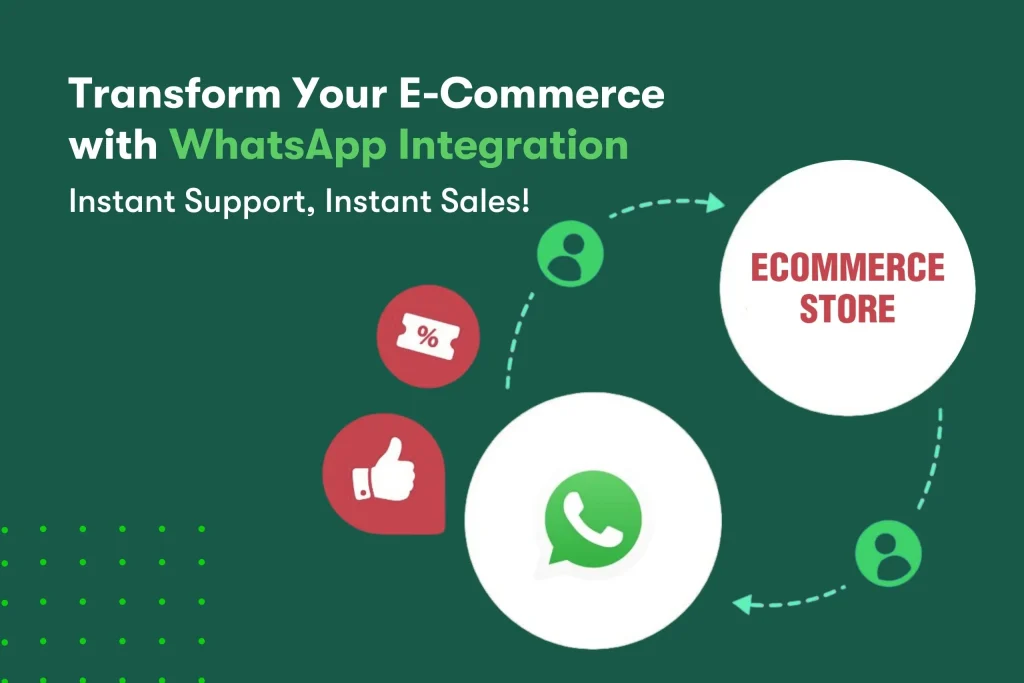
That’s where WhatsApp integration comes in, offering a solution to those late-night shopping dilemmas. With WhatsApp, you can be right there with your customers in real-time—answering questions, offering personalized suggestions, and even closing sales, all through a platform they already use and love.
In this post, we’ll explore how adding WhatsApp to your e-commerce platform can transform those “I’m just browsing” moments into “I’m ready to buy” moments, while creating a smoother, more connected shopping experience.
Why Integrating WhatsApp With Your E-commerce Platform Is Essential
- Instant Communication, Instant Results
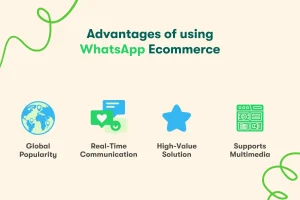
One of the biggest advantages of WhatsApp integration is instant messaging. Unlike email, which might take hours or even days to get a response, WhatsApp provides immediate communication. This is especially critical in e-commerce, where customers expect fast answers to their queries, whether it’s about product availability, shipping details, or return policies.
According to a 2023 report by Business Insider, customers are 3x more likely to make a purchase if they receive an instant response to their inquiry. This can be a game-changer in terms of conversion rates and customer satisfaction. - Streamlined Customer Support
WhatsApp can act as your very own customer service hub, offering 24/7 support without overwhelming your team. From handling frequently asked questions (FAQs) to processing returns or complaints, WhatsApp allows you to automate some interactions using chatbots or integrate human agents for more complex inquiries.
Think about it—when you reach out to a business on WhatsApp, you don’t expect to wait for long periods. That’s why integrating a tool that supports live chat or automated responses ensures that customer support becomes more efficient. - Personalized Customer Engagement
With WhatsApp, personalization is key. You can send targeted messages, product recommendations, and discounts to customers based on their past purchases or browsing behavior. For example, if a customer abandons their cart, you can follow up with a gentle reminder, a special discount, or even a personalized message offering help with the purchase process. This level of personalization is not easily achievable through traditional email marketing or ads.
Increase Sales with Rich Media
WhatsApp allows you to send more than just text. You can send rich media like images, videos, catalogs, and even interactive buttons to facilitate purchases. Imagine a customer inquiring about a product, and within minutes, they receive a high-quality video demo of that product, complete with purchase links. This level of interactivity helps customers feel more confident in their buying decisions.
CHECK OUT: Bowaba WhatsApp Business API/CRM Service
How to Integrate WhatsApp With Your E-commerce Platform: A Step-by-Step Guide
Integrating WhatsApp with your e-commerce platform doesn’t have to be complicated. Here’s a simple breakdown of the steps you need to follow to get started:
- Choose a WhatsApp Business API Provider
To integrate WhatsApp with your e-commerce platform, you’ll need the WhatsApp Business API. The API allows businesses to send automated messages, manage chats, and integrate with third-party tools like CRMs, customer support software, and more. Some popular providers include Twilio, Nexmo, and MessageBird. - Connect the API to Your E-commerce Platform
Once you’ve selected a WhatsApp Business API provider, the next step is to connect it to your e-commerce platform. Many platforms, such as Shopify, WooCommerce, and Magento, offer integrations with WhatsApp, either natively or through third-party apps. This ensures a seamless connection for sending order confirmations, updates, or abandoned cart reminders. - Set Up Automated Responses
To make the most of WhatsApp integration, you can set up automated responses for common inquiries. This could include order tracking updates, delivery status, or FAQs. Many e-commerce businesses use chatbots to handle simple queries and save human agents for more complex issues. - Enable Push Notifications and Broadcast Lists
Broadcast lists allow you to send messages to multiple customers at once, which is a great way to announce sales, new products, or special offers. By leveraging push notifications, you can keep your customers engaged and updated in real-time, which is a key element in conversational commerce.
CHECK OUT: Bowaba WhatsApp Chatbot Automation Service
Best Practices for WhatsApp E-commerce Integration
- Use WhatsApp for More Than Just Customer Support
While WhatsApp is an excellent platform for customer support, you can also use it to nurture leads. For example, a prospective customer who asks about a product can be followed up with tailored messages and product suggestions. You can even send them a personalized discount for completing the purchase. This proactive approach helps you convert leads into loyal customers. - Offer Seamless Transaction Processes
Thanks to WhatsApp’s ability to support secure payment gateways, you can facilitate smooth and secure transactions. For instance, if a customer is ready to purchase, you can directly send them a payment link via WhatsApp, reducing friction and simplifying the buying process.
Maintain a Human Touch
While automation plays a key role in WhatsApp integration, it’s essential to balance automated interactions with human responses. Over-reliance on bots can make your business seem impersonal, while a personal touch can elevate the customer experience. Try using automated messages for initial greetings or order updates, but always have an option for customers to speak with a live agent.

Real-World Success Stories: How Big Brands Use WhatsApp for E-Commerce
- Myntra (India)
Myntra, one of India’s leading fashion e-commerce platforms, uses WhatsApp to offer personalized shopping experiences. Customers can receive curated fashion advice, real-time updates about new arrivals, and exclusive promotions directly through WhatsApp. This personalized engagement has helped Myntra increase customer loyalty and satisfaction, ultimately boosting sales. - H&M (Global)
Global fashion giant H&M uses WhatsApp to manage customer inquiries, send order updates, and even share fashion inspiration. By integrating WhatsApp with its customer service platform, H&M has been able to respond quickly to customer needs, significantly improving its overall customer experience. - Nike (Global)
Nike uses WhatsApp to send exclusive offers and event invitations to its customers. By integrating WhatsApp into its digital strategy, Nike has created a seamless experience for users, increasing engagement and loyalty. They also use WhatsApp to support customized product recommendations, which has led to higher conversion rates.
Why Your E-commerce Business Needs WhatsApp Integration
Incorporating WhatsApp into your e-commerce strategy is no longer just a luxury—it’s a necessity. Whether you’re aiming to improve customer service, boost sales, or create a more personalized shopping experience, WhatsApp offers a direct, instant, and highly effective way to engage with customers.
If you want to stand out in the competitive world of e-commerce, adopting conversational commerce tools like WhatsApp is essential for streamlining communication, increasing conversion rates, and enhancing customer loyalty. With a little effort and the right integration tools, WhatsApp can become a key player in your e-commerce strategy.
So, what are you waiting for? Start integrating WhatsApp with your e-commerce platform today and watch your business grow!
Read: WhatsApp Marketing for Retail: Driving Sales ange and Engagement