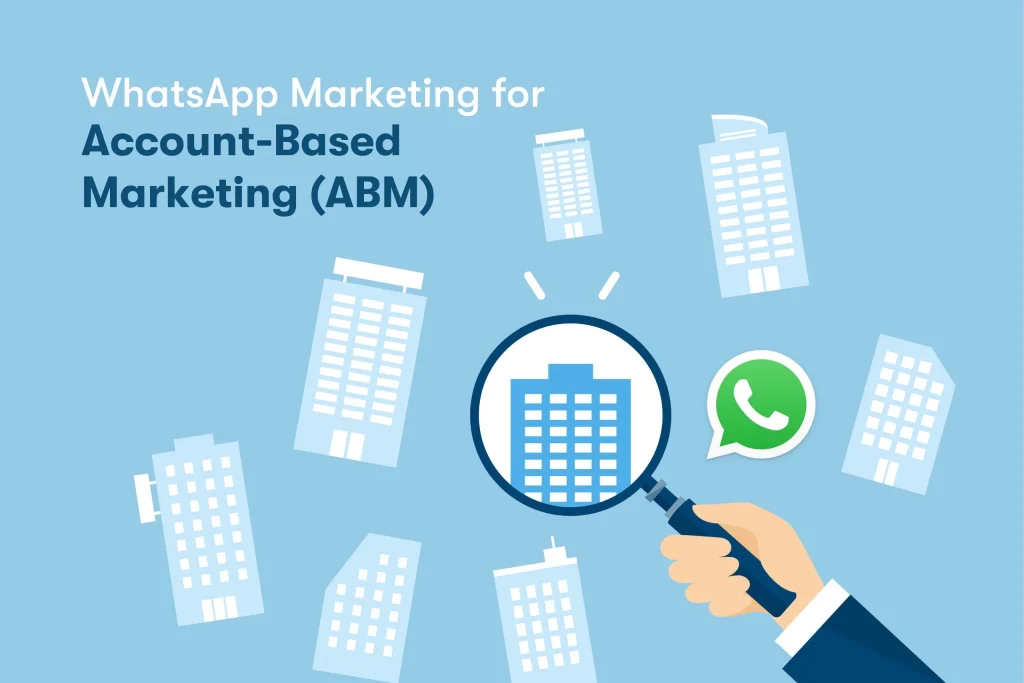
When it comes to reaching key decision-makers in high-value accounts, the usual tactics just aren’t cutting it anymore. Generic emails and endless follow-ups have become background noise in an already over-saturated market. So, what’s the solution? A tool that’s already embedded in almost everyone’s daily routine: WhatsApp.
WhatsApp’s direct, real-time messaging makes it the perfect platform for Account-Based Marketing (ABM), where personalization and immediacy are everything. Unlike email or social media, WhatsApp offers a more personal, conversational approach—making it an ideal tool to engage decision-makers, nurture relationships, and drive action with precision.
In this post, we’ll explore how WhatsApp marketing can turbocharge your ABM strategy, why it’s so effective for connecting with target accounts, and how to use it to turn your outreach into meaningful business results.
What is Account-Based Marketing (ABM)?
Account-Based Marketing (ABM) is a highly focused business strategy in which a company treats individual target accounts (i.e., companies or organizations) as markets in their own right. Instead of broad, generic marketing campaigns that target a large audience, ABM focuses on key decision-makers within specific organizations, tailoring content and communication to meet their needs. The goal is to build deeper, more personalized relationships with the accounts that matter most.
ABM is all about delivering the right message, to the right person, at the right time. But to truly make it work, businesses need a highly engaging and personal communication method. That’s where WhatsApp marketing steps in.
Why WhatsApp Marketing is Perfect for ABM
WhatsApp boasts over 2 billion monthly active users globally, with over 50 billion messages sent every day. It’s one of the most popular messaging platforms worldwide, making it an ideal tool for businesses to connect with their target accounts. Unlike traditional email marketing, WhatsApp provides an instant, direct, and personal way to communicate, which is a huge advantage when trying to nurture high-value leads.
Here’s why WhatsApp marketing is perfect for ABM:
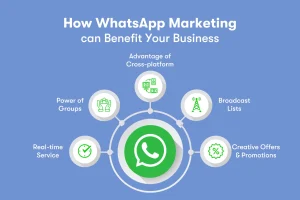
- Instant Communication: With real-time messaging, you can engage with key decision-makers quickly and efficiently. No more waiting for email responses!
- Personalization: WhatsApp allows for highly personalized communication, which is a hallmark of ABM strategies. You can tailor messages and content based on the specific needs of the target account.
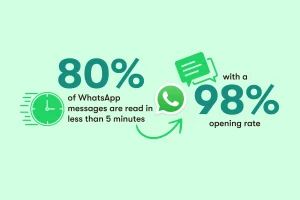
- High Open Rates: Unlike emails, which often get lost in crowded inboxes, WhatsApp messages have significantly higher open rates. Studies show that 98% of WhatsApp messages are read, making it a far more effective channel for reaching decision-makers.
- Multimedia Support: WhatsApp allows you to send not just text, but images, videos, audio messages, and even documents—making it a dynamic and versatile tool for sharing relevant, customized content with your accounts.
How to Use WhatsApp for Account-Based Marketing
To effectively integrate WhatsApp into your ABM strategy, you need a clear approach. Below are actionable steps for using WhatsApp in ABM campaigns:
1. Segment Your Audience
Before reaching out to potential clients, ensure you have a well-segmented list of high-value accounts. This involves identifying key industries, decision-makers, and specific pain points your product or service can solve. Tools like LinkedIn and CRM platforms can help identify the right targets.
2. Personalize Your Messages
Personalization is the cornerstone of ABM, and WhatsApp is the perfect tool for delivering personalized content. For example, instead of sending generic emails, send tailored messages that reference the recipient’s company, challenges, or goals. You can even include relevant case studies or solutions that specifically speak to their pain points.
Example: Imagine you’re selling an enterprise software solution to a large retail chain. Instead of a generic message, you could send a personalized WhatsApp message like:
“Hi [Name], I noticed your retail chain has recently expanded into e-commerce. Our platform could help you streamline your order management and reduce cart abandonment. Here’s a quick video on how we helped another retailer like you achieve this.”
3. Use Broadcast Lists for Targeted Campaigns
WhatsApp allows businesses to create broadcast lists, which enables you to send messages to multiple contacts without them knowing who else is receiving the message. This is ideal for sending out targeted campaigns to specific accounts while maintaining a personal touch.
4. Incorporate Multimedia Content
WhatsApp isn’t just for text. Enhance your ABM campaigns by sending multimedia content like short product demos, explainer videos, infographics, or customer success stories. According to a Wyzowl study, 84% of people are more likely to buy a product after watching a video—a stat that makes WhatsApp’s video capabilities incredibly valuable for ABM.
5. Use WhatsApp for Customer Support and Engagement
Once you’ve initiated a conversation, WhatsApp can also be used as an ongoing support and engagement channel. Provide timely responses to queries, schedule meetings, and even conduct product demos via video calls. The more you engage with your prospects on WhatsApp, the stronger the relationship becomes.
6. Leverage WhatsApp Status Updates for Branding
Another great way to use WhatsApp for ABM is through Status updates. You can post regular updates about your company’s latest news, product launches, and case studies that target your high-value accounts. It’s a subtle, yet effective way of keeping your brand top-of-mind for decision-makers.
Best Practices for WhatsApp Marketing in ABM
To truly maximize the effectiveness of WhatsApp marketing in your ABM strategy, consider these best practices:
- Keep it Professional but Friendly: Even though WhatsApp is a more casual platform, ensure your messages are professional, respectful, and align with your brand’s tone.
- Timing is Key: Send messages during business hours to increase your chances of getting a timely response. Avoid sending messages late at night or during weekends unless it’s an urgent matter.
- Respect Privacy: Always ask for permission to contact a prospect via WhatsApp, especially if you’re reaching out for the first time. Respect for privacy is crucial to building trust with potential clients.
- Track and Measure Results: Use WhatsApp’s business tools to track message delivery, read receipts, and response rates. This will help you fine-tune your messaging strategy and improve engagement over time.
CHECK OUT: Top WhatsApp Marketing Metrics You Should Track for Better Results
Examples of Successful WhatsApp Marketing in ABM
Let’s look at how some well-known companies have used WhatsApp marketing to enhance their ABM efforts:
- KPMG: The global professional services firm used WhatsApp to engage with clients and prospects. By sending personalized video messages and important updates through WhatsApp, KPMG created a more personal connection, resulting in increased engagement and lead conversion.
- Chili Piper: This scheduling software company successfully integrated WhatsApp into their ABM strategy by using the app to directly reach out to C-suite executives and book meetings. They found that their response rate on WhatsApp was significantly higher than email or LinkedIn outreach.
WhatsApp marketing has become a game-changer in the world of Account-Based Marketing. By combining the personalization and immediacy of WhatsApp with the laser-focused strategy of ABM, businesses can build stronger relationships with high-value accounts, increase engagement, and ultimately drive growth.
Whether you’re sending tailored messages, sharing multimedia content, or providing customer support, WhatsApp offers a direct, highly effective channel to nurture and convert your target accounts. By integrating WhatsApp into your ABM strategy, you’re not just sending messages—you’re building connections that drive results.
Ready to level up your ABM strategy? Start leveraging WhatsApp today, and watch your business connect, engage, and grow like never before.