
Imagine this: You’re running a business, and one of your key clients just hit a roadblock with your product or service. They need help—fast. They’re not interested in waiting on hold for 20 minutes or sifting through endless email chains. What they want is a quick, easy way to reach out and get the issue sorted right now. Enter WhatsApp.
Yes, you read that right. WhatsApp isn’t just for group chats or sending memes to your friends. It’s quickly becoming a go-to tool for B2B customer support, helping businesses connect with clients in a more personal, faster, and effective way. Whether you’re offering troubleshooting advice, managing a project, or answering simple queries, WhatsApp can change the game for how you interact with your clients.
1. Why WhatsApp for B2B Customer Support?
We’ve all used WhatsApp to send quick messages to friends or family. So why should businesses bother with it? Well, for one, WhatsApp has more than 2 billion active users worldwide, and many of them are professionals. Businesses are using WhatsApp to communicate with customers, suppliers, and even partners. But it’s not just about being where your audience is; it’s about providing a more accessible, fast, and human touch to your customer interactions.
The platform has high open rates (around 98%), which is far higher than traditional email. Plus, it offers instant messaging, voice and video calls, and easy file sharing—all of which make customer support more interactive and efficient. In fact, according to Zendesk, 67% of consumers prefer messaging a business over calling or emailing for customer support
2. Setting Up WhatsApp for Business Support: A Quick Overview
To start offering B2B support through WhatsApp, you’ll need a WhatsApp Business Account. It’s free to set up and offers several features that regular WhatsApp doesn’t, such as automated messages, business profile customization, and labels for organizing chats.
- Business Profile: Create a professional profile with your business’s name, address, website, and business hours. This helps your clients know they’re communicating with the right company.
- Automated Messages: Set up automated greeting and away messages so customers always know when to expect a reply.
- Quick Replies: Save time by setting up quick replies for frequently asked questions.
3. How to Use WhatsApp for Effective Customer Support
Here’s where the real magic happens. Let’s dive into practical ways you can use WhatsApp to level up your B2B support:
a) Instant Support for Time-Sensitive Issues
Sometimes, your clients need answers fast. With WhatsApp, you can provide instant support—whether it’s troubleshooting an issue or answering a question about your product or service. For instance, imagine a supplier calling you with a last-minute change to an order or a critical shipping question. WhatsApp’s chat format allows you to get the information quickly and resolve the issue without the back-and-forth of emails or phone calls.
Real Life Example:
One logistics company used WhatsApp to communicate directly with their B2B clients during critical deliveries. When a client had an urgent shipping inquiry, they were able to message the logistics team on WhatsApp, which enabled real-time status updates and reduced the client’s waiting time.
b) Multimedia Support to Clarify Solutions
Sometimes, words just aren’t enough. With WhatsApp, you can send images, videos, documents, and even voice messages to better explain solutions to your clients. This is especially helpful when your customer support involves a technical product or service.
Real Life Example:
A software company used WhatsApp to send video tutorials to clients who needed help with new features. Instead of relying on written guides, which might have been confusing, the video allowed customers to follow along step by step.
c) Group Chats for Collaborative Support
WhatsApp allows businesses to create group chats, which can be used for projects, collaborative inquiries, or even internal team communication. For B2B companies, this feature is particularly valuable when multiple stakeholders from different companies are involved in the same issue.
Real Life Example:
A construction firm created a group chat with their suppliers, contractors, and clients for a specific project. This allowed everyone to stay in the loop with real-time updates on the project’s progress, delivery schedules, and any unforeseen issues.
d) Personalized Interactions Build Stronger Relationships
Customer support through WhatsApp feels much more personal than traditional channels. The platform is inherently conversational, so it offers an opportunity for businesses to interact with clients in a more relaxed, human way. A quick “Hi [Name], how’s everything going with your project?” makes clients feel valued, rather than just another number in your CRM system.
Real Life Example:
A marketing agency used WhatsApp to stay in touch with its clients. Instead of sending generic emails, they personalized their messages by checking in regularly, asking for feedback, and offering proactive solutions, which led to higher client satisfaction and retention.
4. Best Practices for WhatsApp Customer Support
Using WhatsApp for B2B support requires some ground rules to ensure smooth communication and a positive experience for your clients. Here are some best practices:
a) Set Expectations for Response Times
Just because WhatsApp is quick doesn’t mean your team should be available 24/7. Be transparent with clients about when they can expect a response. Set up automated replies to let clients know when you’ll be available.
b) Use Labels for Organization
As your conversations grow, it can become tricky to keep track of everything. Use labels to organize chats by priority, project, or client type. This will help ensure you never miss an important conversation.
c) Ensure Data Privacy and Security
WhatsApp’s end-to-end encryption provides a level of security, but you must still ensure you’re compliant with privacy regulations, such as GDPR or CCPA, especially when handling sensitive business data.
5. Integrating WhatsApp into Your Existing Support Channels
WhatsApp doesn’t have to replace your existing support channels—it can enhance them. By integrating WhatsApp with your helpdesk software, CRM, or ticketing system, you can ensure that all customer support requests, regardless of the channel, are logged and tracked.
For example, WhatsApp can be linked with platforms like Zendesk or Freshdesk, allowing support agents to respond via WhatsApp while keeping a record of the conversation in their CRM system. This ensures no communication slips through the cracks.
Real Life Example:
A fintech company integrated WhatsApp with their CRM. This allowed their support agents to provide real-time responses through WhatsApp while maintaining detailed logs in their CRM for future reference and performance tracking.
6. Measuring the Success of Your WhatsApp Support
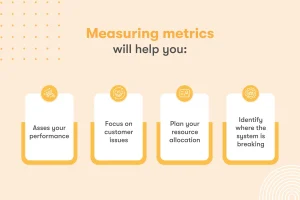
Like any support system, it’s important to track how well your WhatsApp support is performing. Metrics like response time, resolution time, customer satisfaction, and the number of cases resolved via WhatsApp can help you optimize your approach.
Omnisend states companies that use messaging platforms like WhatsApp for customer service report a 20% faster response rate compared to email and traditional methods.
CHECK OUT: Top WhatsApp Marketing Metrics You Should Track for Better Results
Embrace the Future of B2B Support
Using WhatsApp for B2B customer support is not just a trend—it’s a powerful way to enhance communication, build stronger relationships, and meet your customers where they are. By integrating WhatsApp into your support strategy, you can offer faster, more personal, and efficient service that keeps clients happy and loyal. The platform’s simplicity, accessibility, and robust features make it an invaluable tool for any modern business.
As businesses continue to adapt to new ways of communicating, don’t get left behind. Start using WhatsApp today, and give your B2B customer support the upgrade it deserves.